
Understanding Blood Sugar and Insulin Sensitivity
Blood sugar, or glucose, is a vital source of energy for the body, derived primarily from the foods we consume. It is crucial for maintaining the optimal functioning of all bodily systems. Insulin sensitivity, on the other hand, refers to how responsive the body’s cells are to insulin, a hormone that helps regulate blood sugar levels. In diabetes management, understanding the relationship between blood sugar levels and insulin sensitivity is essential.
When blood sugar levels spike—often as a result of consuming high-sugar or high-carbohydrate foods—the body releases more insulin to facilitate the transport of glucose into cells. However, if this process is repeated frequently, it may lead to insulin resistance, where cells become insensitive to insulin’s effects. This condition can elevate blood sugar levels, creating a vicious cycle that complicates diabetes management.
Several factors can influence insulin sensitivity, including genetics, physical activity, body weight, and dietary choices. A sedentary lifestyle and excessive body weight are significant contributors to reduced insulin sensitivity, increasing the risk for type 2 diabetes. Consequently, maintaining stable blood sugar levels is not only critical for those managing diabetes but also important for overall health and well-being.
Adequate management of blood sugar can prevent complications associated with diabetes, such as cardiovascular issues and nerve damage. One of the most effective methods for regulating blood sugar levels is through diet. Consuming a balanced diet that includes specific foods known for their ability to lower blood sugar and enhance insulin sensitivity is fundamental. In the subsequent sections, we will explore ten powerful foods that can aid in managing these levels effectively.
Fiber-Rich Foods: The Foundation of a Diabetic-Friendly Diet
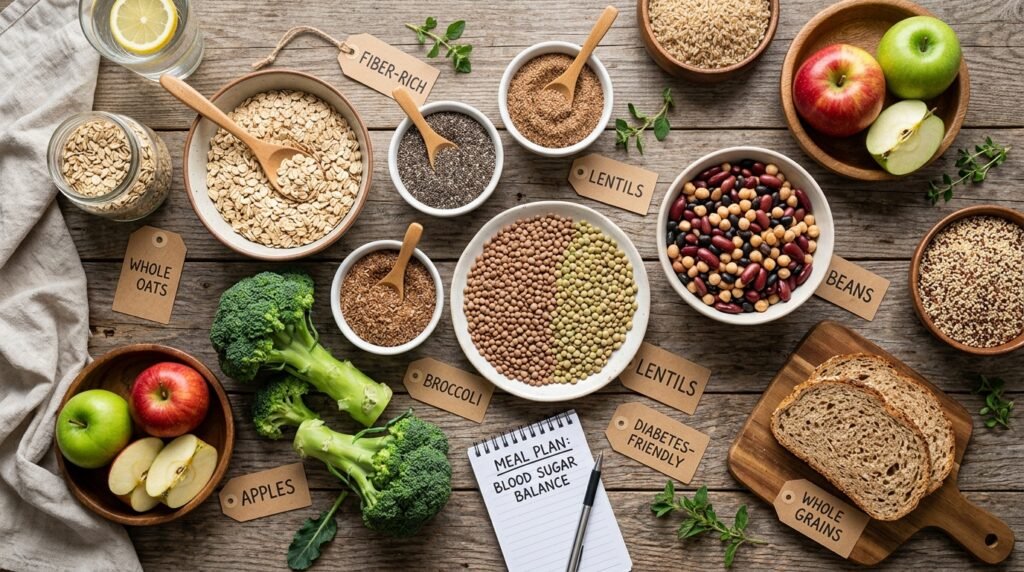
In the journey toward managing blood sugar levels, fiber-rich foods serve as an integral component of a diabetic-friendly diet. Foods such as oats, chia seeds, and beans are particularly noteworthy for their significant fiber content. The primary role of dietary fiber is its ability to slow digestion, which in turn helps to prevent rapid spikes in glucose levels post-meal. This characteristic is particularly beneficial for individuals striving to maintain stable blood sugar, as it aids in the gradual release of sugar into the bloodstream.
Oats, often consumed as a morning staple, are an excellent source of soluble fiber known as beta-glucan. This type of fiber not only stabilizes blood sugar but also promotes a feeling of fullness, which can assist in weight management. Chia seeds, when added to smoothies or yogurt, provide an impressive amount of fiber as well as omega-3 fatty acids. These nutrients work together to improve insulin sensitivity, making them a smart choice for those monitoring their blood sugar levels. Beans, a versatile food option, are rich in both soluble and insoluble fiber. Including beans in salads, soups, and stews can enhance nutrient intake and overall satisfaction with meals.
Incorporating these fiber-rich foods into daily meals can be simple and enjoyable. For instance, breakfast can be enhanced by adding chia seeds to oatmeal or blending them into smoothies. Mid-morning snacks can include hummus with vegetable sticks or a handful of roasted chickpeas. By making small adjustments, such as substituting refined grains with whole grains in recipes and incorporating legumes into main dishes, individuals can significantly increase their fiber intake. These practical strategies not only support blood sugar management but contribute to overall health and well-being.
Healthy Fats and Their Impact on Glucose Control
Healthy fats play a crucial role in enhancing insulin sensitivity and regulating blood sugar levels. Foods rich in healthy fats, such as avocados, oily fish, and various nuts, can provide significant benefits in managing glucose control. These fats are not only essential for overall health but also serve as an important ally in the fight against diabetes and related metabolic disorders.
Avocados are a prime example of healthy fat sources. They are packed with monounsaturated fatty acids, which have been shown to help improve insulin sensitivity. Incorporating avocados into meals can be as simple as adding them to salads, spreading them on whole grain toast, or blending them into smoothies.
Oily fish, such as salmon, mackerel, and sardines, are excellent sources of omega-3 fatty acids. These healthy fats have anti-inflammatory properties and can positively influence glucose metabolism. A diet that includes oily fish at least twice a week can support heart health while also promoting better blood sugar management.
Nuts are another fantastic option for incorporating healthy fats into one’s diet. Almonds, walnuts, and pistachios are rich in fiber and healthy fats, which can help stabilize blood sugar levels. They make for a nutritious snack on their own or can be added to yogurt, cereals, or salads for added texture and flavor.
To maximize their benefits, it is important to balance healthy fats with other macronutrients, such as carbohydrates and proteins. Doing so can lead to a more stable release of glucose into the bloodstream, preventing spikes in blood sugar. Therefore, incorporating a variety of these healthy fats in combination with whole grains and lean proteins can create well-rounded meals that not only satisfy hunger but also support optimal glucose control.
Spices, Vegetables, and Low-Glycemic Fruits: Nature’s Helpers for Metabolism
Integrating specific spices, vegetables, and low-glycemic fruits into one’s diet can significantly enhance metabolism and contribute to better blood sugar control. Among the spices, cinnamon stands out for its ability to improve insulin sensitivity and lower blood sugar levels. Studies indicate that cinnamon may mimic insulin, facilitating glucose transport into cells and thus moderating blood glucose spikes post meals.
Alongside cinnamon, a variety of antioxidant-rich vegetables can play a vital role in metabolic health. Broccoli, for instance, is highly regarded for its nutritional benefits, including a rich supply of vitamins C and K, as well as fiber, which helps regulate blood sugar levels. This cruciferous vegetable is low in calories and can be easily incorporated into various dishes, enhancing both flavor and health benefits.
When considering fruits, opting for low-glycemic varieties, such as apples and sweet potatoes, can serve as a healthier alternative to high-glycemic counterparts. Apples not only provide necessary vitamins and fiber but also contain polyphenols that may improve insulin sensitivity. Sweet potatoes are a great source of complex carbohydrates, which are digested more slowly, aiding in stable blood sugar levels.
To maximize the benefits of these natural ingredients, individuals can incorporate them into their daily meals and snacks. For instance, adding a sprinkle of cinnamon to morning oatmeal or blending it into smoothies can enhance flavor and health effects. Incorporating steamed broccoli as a side dish or using it in salads can also add nutritional value. Additionally, choosing apple slices or baked sweet potato fries as snacks can satisfy cravings while supporting stable blood sugar levels.