
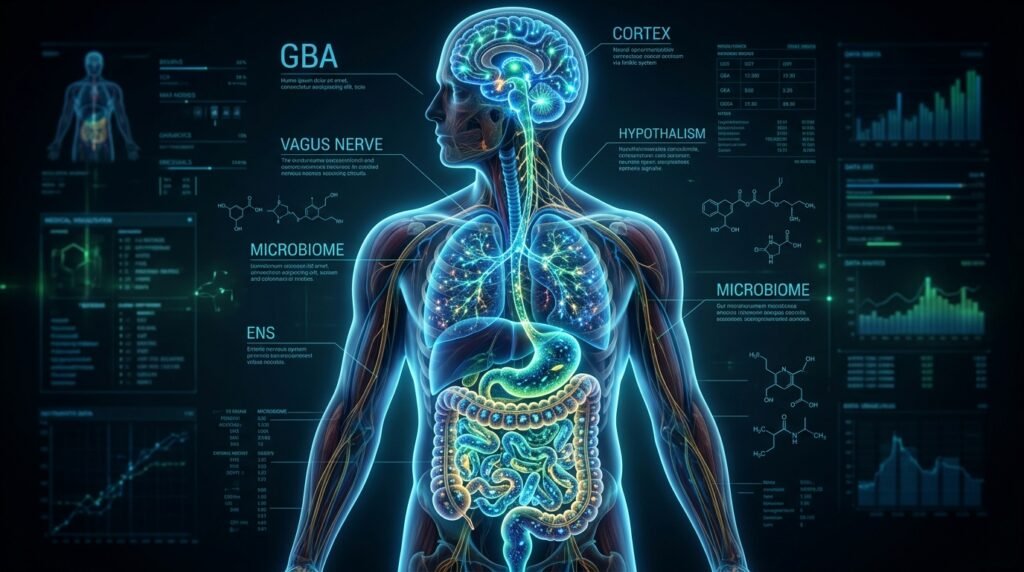
Understanding the Human Ecosystem
The human body serves as a remarkable ecosystem, hosting an astonishing array of microorganisms that collectively form the microbiome. This intricate community comprises trillions of microorganisms, including bacteria, viruses, fungi, and single-celled organisms. These entities play critical roles in various physiological processes, indicating that our biology functions not merely as solitary beings but as collaborative systems.
Among these microorganisms, gut bacteria are particularly significant. They are involved in the digestion of food, the synthesis of essential vitamins, and the interaction with our immune system. Research has established that these bacteria influence metabolic activities, aiding in the maintenance of a balanced energy homeostasis, which is vital for overall health. Furthermore, the diverse composition of the gut microbiome can affect susceptibility to diseases, illustrating its profound influence on human biology.
Recent scientific findings reveal the complexity of these interactions. For instance, certain bacterial strains have been linked to the modulation of mood through the gut-brain axis, suggesting that the state of our microbiome may influence mental health. Additionally, the diversity of the microbiome can impact an individual’s response to medications, pointing to a need for personalized approaches in medicine.
These microorganisms are not simply passengers; they actively contribute to our survival. They outnumber human cells by approximately ten to one, making them an integral part of what defines our biological identity. This resident microbial community continuously interacts with our immune system, playing a protective role against harmful pathogens. Such evidence highlights that we are not solitary entities but rather a diverse community of organisms that collectively sustain our health and well-being.
The Gut-Brain Connection
The gut-brain connection, or gut-brain axis, represents a bi-directional communication network between the gastrointestinal system and the central nervous system. This intricate relationship illustrates how the health of our gut can significantly impact our mental state, emotions, and overall cognitive function. Emerging research indicates that the microbiome, encompassing trillions of microorganisms residing in the gut, plays a critical role in this dynamic interaction.
Scientific studies have demonstrated that gut health can influence mood and anxiety levels. For instance, neurotransmitters such as serotonin, often referred to as the ‘feel-good’ hormone, are predominantly produced in the gut. Alterations in gut microbiota can lead to deficiencies or imbalances in these neurotransmitters, subsequently affecting mood and emotional well-being. Disruptions in gut health, characterized by conditions like dysbiosis, can therefore culminate in heightened anxiety and depression, showcasing the fundamental importance of maintaining a balanced gut flora.
Moreover, the gut has been described as a ‘second brain.’ It contains a network of neurons known as the enteric nervous system, which is capable of operating independently, processing information, and even regulating gut functions without direct input from the brain. This underscores the role of the gut in mediating emotional responses and decision-making processes. Factors such as stress, dietary choices, and inflammation can trigger changes in gut microbiota, resulting in psychological implications that resonate throughout the body.
In light of this understanding, it becomes crucial to prioritize gut health for optimal mental wellness. Incorporating a balanced diet rich in fiber, probiotics, and prebiotics can foster a thriving gut microbiome. As research continues to unfold, the integration of lifestyle modifications that enhance gut health may hold the key to improving our psychological resilience and cognitive clarity.
Diverse Voices of the Mind
The human mind is a complex and dynamic ecosystem characterized by the coexistence of various thoughts, emotions, and instincts. These internal voices can be distinctly identified as instinct, emotion, and reason, each contributing to our behaviors and decision-making processes. Instinct, often rooted in survival and immediate reactions, drives us toward quick, unconsidered actions; emotion provides the rich tapestry of our feelings, influencing our interactions and responses on a deeper level; while reason seeks to evaluate and analyze information in a structured manner.
These competing systems within our minds frequently generate internal conflicts. For example, one may feel an instinctual urge to flee from a challenging situation, while the rational mind advocates for confrontation and resolution. Such discord can lead to impulsive behavior, where rash decisions stem from the overpowering voice of instinct or emotion, often counter to what would be considered logically sound choices. Emotional struggles can further complicate this interplay, as strong feelings can cloud judgment, making it difficult to fully engage the rational mind.
Recognizing the multi-faceted nature of our psychological landscape is essential for self-awareness and personal growth. By acknowledging that our thoughts and emotions arise from distinct, sometimes conflicting sources, we can cultivate a more profound understanding of ourselves. Embracing this complexity allows for greater emotional intelligence, fostering both empathy for others and compassion toward oneself. Ultimately, understanding the diverse voices that inhabit our minds empowers us to navigate life’s challenges more effectively, leading to healthier relationships and improved mental well-being.
Embracing the Complexity of Self
The concept of self is often perceived as a finite entity, a singular identity that exists in isolation. However, embracing the complexity of our inner ecosystem invites us to recognize that we are composed of numerous interconnected systems. Each thought, emotion, and physical reaction serves as a reminder that our existence is not merely about individual components but rather a harmonious interplay of various elements. This comprehensive perspective allows us to appreciate the myriad influences that shape our identities.
Understanding oneself as a living ecosystem encourages a shift from the rigid notion of control to a more balanced approach. Instead of striving to dominate our emotions or suppress negative thoughts, we can view these experiences as integral parts of our collective selves. This mindset fosters a sense of acceptance, allowing us to be compassionate towards our vulnerabilities. Moreover, by acknowledging the interconnectedness of our mind and body, we can cultivate a more holistic sense of well-being.
To integrate this understanding into our daily lives, it is essential to practice mindfulness and self-reflection. Engaging in activities such as meditation or journaling can help us tune into our internal experiences, promoting greater awareness of our multifaceted selves. Establishing supportive routines that prioritize self-care—such as regular exercise, nutrient-rich diets, and sufficient sleep—further enhances our ecological balance. By valuing each aspect of our being, we nurture our health and strengthen our capacity for resilience.
Ultimately, embracing the complexity of self propels us towards a life of self-compassion and balance. By recognizing that we are indeed a living ecosystem, we can foster a healthier relationship with ourselves, yielding benefits that extend beyond the individual to impact our interactions with the world around us.