What is the Chinese Body Clock?
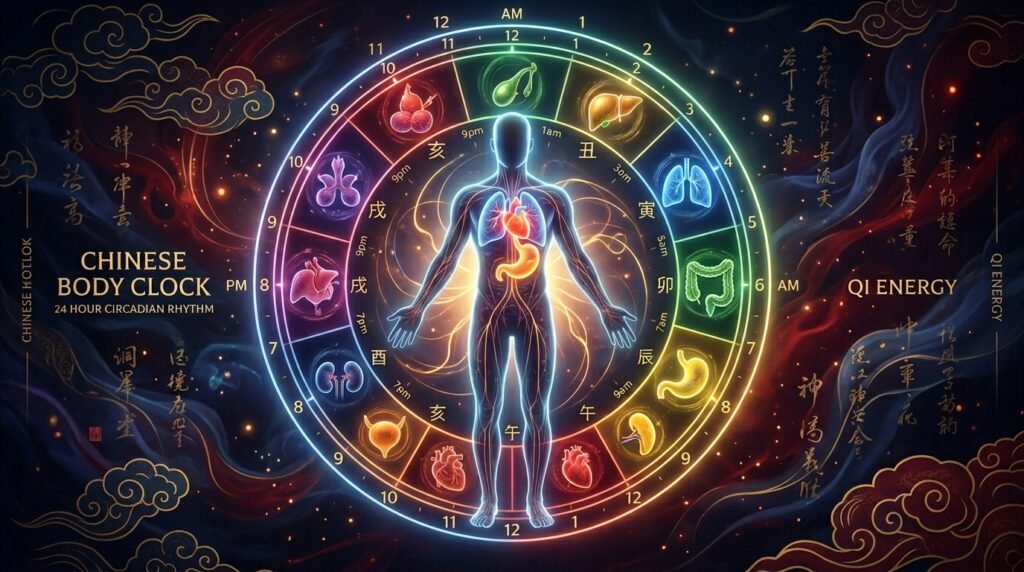
The Chinese body clock, a fundamental concept in traditional Chinese medicine (TCM), outlines a unique interpretation of the 24-hour cycle, dividing it into 12 distinct two-hour intervals. Each of these intervals is intricately linked to a specific organ system, thus establishing a rhythm that reflects the body’s natural energies. This body clock serves not only as a framework for understanding bodily functions but also emphasizes the importance of aligning daily activities with these cycles for enhanced well-being.
Originating from the Huangdi Neijing, also known as The Yellow Emperor’s Classic of Medicine, the Chinese body clock provides insights into how each organ’s energy fluctuates throughout the day. For instance, the liver is believed to be most active between 1 AM and 3 AM, suggesting that this is an ideal time for the body to detoxify and regenerate. Similarly, the lungs operate most vigorously from 3 AM to 5 AM, indicating a heightened ability to exchange oxygen and release toxins.
By recognizing the energetic flow associated with each organ and its corresponding time frame, individuals can adopt daily routines that support their health. For example, engaging in physical activity, ensuring proper nutrition, and focusing on relaxation during the optimal periods can facilitate better organ function and overall health. This harmonious relationship between lifestyle choices and the Chinese body clock not only enhances physiological functioning but also promotes emotional and mental balance.
In essence, understanding the Chinese body clock invites individuals to be more mindful of their daily habits, encouraging a proactive approach to health management that aligns with the body’s intrinsic rhythms. Recognizing and respecting these natural cycles can unlock one’s health potential, leading to improved vitality and wellness.
The 24-Hour Organ Cycle and Its Implications
The 24-hour organ cycle, rooted in Traditional Chinese Medicine (TCM), is a framework that divides the day into segments corresponding to specific organs. Each organ has its peak energy (qi) times, which impacts various bodily functions including digestion, metabolism, detoxification, and sleep. Understanding this cycle can provide insights into optimizing health and wellness.
From 1 AM to 3 AM, the liver is most active, which is crucial for detoxification. During this time, the body processes toxins and regenerates. Furthermore, maintaining a consistent sleep schedule can enhance liver function, allowing for improved energy levels during the day.
From 3 AM to 5 AM, the lungs contribute to the body’s energy by facilitating respiration and oxygen exchange. This period is a prime time for deep breathing exercises, which can enhance lung capacity and overall respiratory health.
5 AM to 7 AM focuses on the large intestine. This time is optimal for morning routines that stimulate bowel movements, potentially improving overall digestive health. Consuming fiber-rich foods during breakfast aligns with the organ’s functions to promote effective digestion throughout the day.
As the clock moves to 7 AM to 9 AM, the stomach takes precedence. It is recommended to consume a substantial breakfast during this window, as the stomach is primed for digestion. Nutrient intake at this time can significantly impact metabolism and energy levels.
The heart operates at its peak from 11 AM to 1 PM, making this a suitable time for physical exercise. Engagement in moderate physical activity can invigorate heart health and balance body rhythms.
This cycle continues, encompassing various organs and their respective functions, ultimately highlighting the significance of timing for meals, exercises, and restful activities. By syncing daily routines with the body’s natural rhythms, individuals can enhance their health outcomes and promote overall well-being.
Practical Ways to Align with Your Body Clock
Understanding the Chinese body clock is not merely a theoretical endeavor; it serves as a foundation for practical applications that can lead to improved health outcomes. One of the most effective methods for aligning with this ancient wisdom is to optimize meal timings according to organ functions. For instance, it is advisable to consume breakfast between 7:00 a.m. and 9:00 a.m. when the stomach is most active. This encourages efficient digestion and supports metabolic processes, potentially leading to enhanced energy levels throughout the day. Similarly, lunch should be consumed between 11:00 a.m. and 1:00 p.m., coinciding with the peak activity of the spleen and pancreas, thus facilitating nutrient absorption and sustaining energy levels.
Incorporating physical activity into your daily routine is another practical approach. Different times of the day correlate with the optimum functioning of specific organs. For instance, engaging in cardiovascular exercise between 11:00 a.m. and 1:00 p.m. can enhance heart health, while strength training is best positioned between 7:00 p.m. and 9:00 p.m. when the kidneys are most receptive. Tailoring your exercise routines in accordance with these time frames can significantly improve overall health and well-being.
Moreover, establishing a calming bedtime routine is crucial for supporting organ health and achieving restorative sleep. It is beneficial to wind down by practicing mindfulness activities such as meditation or gentle yoga between 9:00 p.m. and 11:00 p.m. This aligns with the liver’s peak detoxification time, facilitating the body’s natural ability to cleanse itself during the night. Recognizing and responding to your bodily rhythms can significantly improve sleep quality, optimize digestion, and enhance your overall energy levels.
Incorporating these changes requires mindfulness and self-awareness. Tracking your energy levels and bodily responses can lead to more personalized adjustments, thus fully unlocking your health potential through understanding the Chinese body clock.
Potential Health Benefits of Understanding the Chinese Body Clock
Understanding the Chinese body clock can provide significant insights into enhancing various health aspects. By aligning daily activities with the body’s natural rhythms, individuals can experience notable improvements in digestion, metabolism, and sleep quality. The Chinese body clock emphasizes that different organs are more active at specific times of the day, which means timing meals and activities accordingly may promote better gastrointestinal health. For example, eating breakfast when the digestive system is at its peak can improve digestion and nutrient absorption.
Moreover, the principles of the Chinese body clock can aid in weight management. By structuring meal times around the body’s internal clock, individuals may find it easier to regulate appetite and metabolism, potentially leading to healthier weight outcomes. Additionally, understanding the optimal times for physical activity can enhance energy levels and endurance, further supporting weight management efforts.
Sleep quality is another area that can benefit from an awareness of the Chinese body clock. According to traditional Chinese medicine, the body undergoes specific restorative processes during designated hours of sleep. By adhering to these natural rhythms, individuals may experience improved sleep patterns, leading to better overall well-being and mental clarity.
Furthermore, regulating daily habits according to the Chinese body clock can contribute to better blood sugar control. Consistency in meal timing can help stabilize glucose levels, reducing the risk of insulin resistance over time. Stress levels may also decline as individuals develop a deeper connection between their daily practices and their internal rhythms, promoting a sense of balance and overall well-being.
In conclusion, understanding and applying the principles of the Chinese body clock can lead to a plethora of health benefits. From improved digestion and metabolism to enhanced sleep quality and emotional stability, integrating these insights into daily life holds the potential to unlock one’s health potential.