
Entendendo a insulina e seu papel no metabolismo
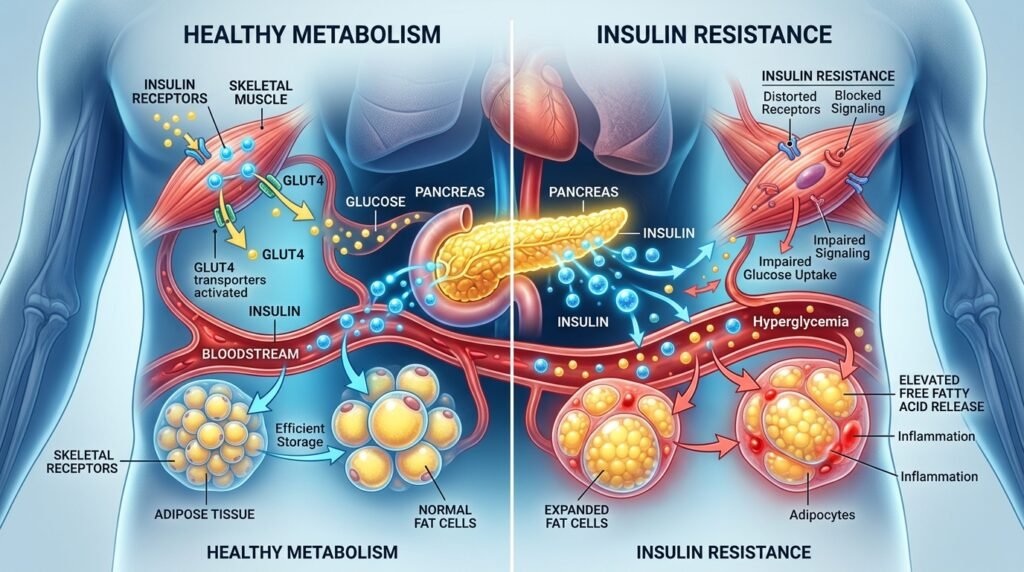
Insulin is a crucial hormone produced by the pancreas, primarily responsible for regulating blood sugar levels in the body. When we consume food, particularly carbohydrates, glucose enters the bloodstream, prompting the pancreas to release insulin. This process facilitates the uptake of glucose by cells, providing them with the necessary energy to function effectively. In addition to its role in glucose regulation, insulin also plays a significant part in lipogenesis, which is the conversion of excess glucose into fat for storage in adipose tissue.
The body prefers carbohydrates as its primary source of energy. However, when there is an excess of glucose, insulin ensures that the surplus is stored as fat through lipogenesis. This mechanism is essential for providing a reserve of energy that can be utilized when dietary intake is insufficient. However, the dysregulation of insulin can lead to several metabolic issues, including obesity and an increased risk of type 2 diabetes.
Elevated insulin levels, often a consequence of a diet high in refined carbohydrates and sugars, can drive a shift in the human metabolism. When insulin levels remain consistently high, the body’s sensitivity to insulin can diminish, leading to a condition known as insulin resistance. This state hinders glucose uptake by cells, resulting in prolonged elevated blood sugar levels, which not only contributes to weight gain but also heightens the risk of developing diabetes. Consequently, understanding the role of insulin and its impact on metabolism is critical for addressing metabolic health issues and devising effective strategies for weight management and diabetes prevention.
The Impact of Insulin Resistance on Health
Insulin resistance occurs when the body’s cells no longer respond effectively to insulin, a hormone that regulates blood sugar levels. This condition can develop gradually over time, often as a result of consistently high levels of insulin due to factors such as poor diet, physical inactivity, and genetic predisposition. Ultimately, insulin resistance leads to elevated blood sugar levels, contributing to the development of type 2 diabetes.
Research indicates that insulin resistance is not just a precursor to diabetes but is also closely linked to a variety of chronic health issues. One significant condition associated with this metabolic state is cardiovascular disease. The increased levels of insulin in the bloodstream can promote inflammation and the buildup of plaque in the arteries, leading to hypertension and higher risks of heart attack or stroke. Moreover, insulin resistance is a major player in metabolic syndrome, characterized by a combination of high blood pressure, abnormal cholesterol levels, and increased waist circumference.
Another notable health implication of insulin resistance is non-alcoholic fatty liver disease (NAFLD). This condition arises when excess fat accumulates in the liver, and is often associated with metabolic disorders including obesity and insulin resistance. As insulin levels remain persistently high, the liver’s ability to process fats diminishes, resulting in fat accumulation and potential liver injury.
Given these associations, monitoring insulin levels is crucial. While blood sugar measurements can reflect immediate glycemic control, they do not provide a comprehensive picture of metabolic health. Elevated insulin levels can be an early warning sign of developing metabolic disorders, making the awareness and management of insulin resistance a vital aspect of promoting overall well-being.
Common Misconceptions: Blood Sugar vs. Insulin in Health Screenings
In contemporary healthcare practices, routine examinations often prioritize blood sugar measurements over insulin levels. This trend has led to a prevalent misconception that blood sugar alone is the principal marker of metabolic health. Healthcare professionals frequently emphasize managing blood sugar levels without sufficiently addressing the role of insulin in the body, resulting in an incomplete understanding of metabolic disturbances.
Insulin, a hormone produced by the pancreas, plays a critical role in regulating glucose levels in the blood. Elevated insulin levels can be a precursor to insulin resistance, a condition where cells become resistant to the hormone’s effects. Unfortunately, the focus on glucose levels can obscure significant underlying issues related to insulin metabolism. For instance, some patients with normal blood sugar levels may still have elevated insulin levels, an indicator of developing metabolic dysfunction.
Expert opinions underscore the importance of measuring insulin in addition to blood sugar during health screenings. Dr. Jason Fung, a well-known nephrologist and expert in metabolic health, asserts that “the understanding of obesity and diabetes must begin with insulin rather than simply focusing on blood sugar levels.” This perspective is supported by multiple studies indicating how high insulin levels can contribute to weight gain and hinder weight loss efforts, making it vital to assess both metrics during evaluations.
A case study involving a patient with normal fasting blood sugar but elevated insulin levels demonstrated a significant obstacle to effective weight management. Through intervention strategies focusing on insulin sensitivity rather than only blood glucose control, the patient experienced improved health outcomes and a reduction in insulin resistance. Cases like these illustrate the need for a paradigm shift in how metabolic health is assessed and managed.
Ultimately, while blood sugar remains an important health marker, neglecting the role of insulin can lead to misdiagnosis and inadequate treatment strategies for conditions like obesity and diabetes. A balanced approach that incorporates both blood sugar and insulin levels can enhance understanding and improve metabolic health outcomes.
Strategies for Natural Insulin Reduction and Improved Metabolic Health
Reducing insulin levels naturally is a vital component in enhancing metabolic health and mitigating the risks associated with obesity and diabetes. By implementing specific dietary changes and lifestyle improvements, individuals can foster a healthier metabolic state and improve their overall well-being.
One effective dietary strategy is to increase protein intake. Consuming higher amounts of protein can promote satiety, leading to reduced overall caloric intake and subsequently lower insulin levels. Sources of high-quality protein include lean meats, poultry, fish, eggs, dairy products, legumes, and nuts. Opting for protein-rich snacks instead of carbohydrates can also assist in stabilizing blood sugar levels, which in turn can help manage insulin production.
A practical recommendation is to avoid late-night eating, as consuming food excessively close to bedtime can spike insulin levels. Establishing a regular eating schedule, where the last meal is consumed at least two to three hours before sleep, encourages better metabolic regulation during the night. This practice is not only beneficial for insulin levels but also contributes to improved sleep quality.
Incorporating physical activity into daily routines is equally important. Regular exercise enhances insulin sensitivity, enabling the body to use insulin more effectively. Activities such as walking, cycling, swimming, or strength training are excellent choices. Aim for at least 150 minutes of moderate-intensity aerobic activity weekly, coupled with strength-training exercises on two or more days.
Finally, managing stress through techniques such as mindfulness, meditation, or yoga can positively impact insulin levels, as stress increases cortisol, which may lead to insulin resistance. By focusing on meaningful dietary adjustments and proactive lifestyle choices, individuals can take concrete steps to reduce insulin levels and promote better metabolic health.