
What are Mitochondria?
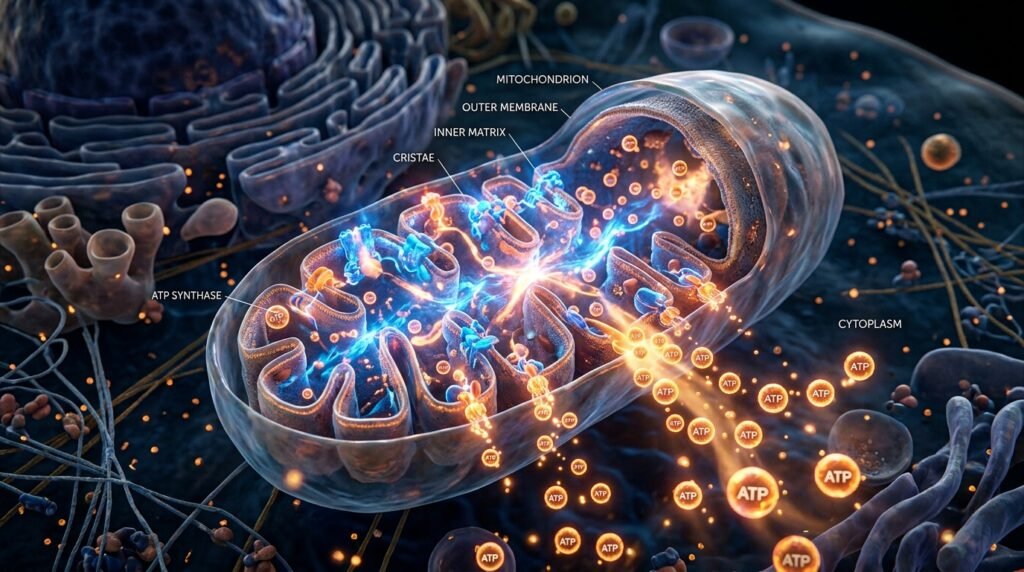
Mitochondria are specialized organelles found within the cells of humans and most eukaryotic organisms. Often referred to as the “powerhouses” of the cell, their primary function is to produce adenosine triphosphate (ATP), the energy currency necessary for various cellular processes. The production of ATP occurs through a series of biochemical reactions known as cellular respiration, which takes place in the inner mitochondrial membrane.
One of the distinctive features of mitochondria is their double-membrane structure; the outer membrane is smooth, while the inner membrane is folded into structures known as cristae, which increase the surface area available for energy production. This unique architecture facilitates a highly efficient energy conversion process. Moreover, mitochondria are crucial not just for generating energy but also for regulating cellular metabolism, signaling, and apoptosis (programmed cell death), showcasing their multifaceted roles in cellular health.
Additionally, mitochondria are remarkable in that they possess their own circular DNA, separate from the nuclear DNA found in the cell’s nucleus. This mitochondrial DNA (mtDNA) is inherited exclusively from the mother and provides essential genes required for mitochondrial function. The presence of mtDNA is an indicator of mitochondria’s evolutionary origin, suggesting that they were once independent prokaryotic organisms that formed a symbiotic relationship with ancestral eukaryotic cells.
The importance of mitochondria extends beyond energy production; their ability to regulate metabolic pathways and influence cellular apoptosis demonstrates their essential role in maintaining overall cellular health. Dysfunctional mitochondria have been implicated in various diseases, including neurodegenerative disorders, metabolic syndromes, and aging-related conditions, signifying their critical importance for the proper functioning of the human body.
How Do Mitochondria Work?
Mitochondria are essential organelles found in nearly all eukaryotic cells, serving as the main site for energy production through a process known as cellular respiration. This intricate mechanism consists of three key stages: glycolysis, the Krebs cycle, and the electron transport chain, each of which plays a crucial role in generating adenosine triphosphate (ATP), the energy currency of the cell.
The first stage, glycolysis, occurs in the cytoplasm and involves the breakdown of glucose into pyruvate molecules. During this process, a small amount of ATP is produced, along with nicotinamide adenine dinucleotide (NADH), which carries electrons to the next stages of energy production. Glycolysis serves not only as the gateway to mitochondrial respiration but also as a vital pathway that contributes to the overall energy balance of the cell.
Following glycolysis, the pyruvate molecules are transported into the mitochondria, where they undergo the Krebs cycle, also known as the citric acid cycle. This stage takes place within the mitochondrial matrix and involves multiple enzymatic reactions that further break down the products of glycolysis. During the Krebs cycle, more NADH and flavin adenine dinucleotide (FADH2) are produced, along with carbon dioxide as a byproduct, which is expelled from the cell. These high-energy electron carriers are essential for the final stage of ATP generation.
The last stage, the electron transport chain, occurs along the inner mitochondrial membrane. Here, NADH and FADH2 donate their electrons, which pass through a series of proteins. As the electrons move down the chain, energy is released and used to pump protons across the mitochondrial membrane, creating a proton gradient. This gradient drives ATP synthase, an enzyme that synthesizes ATP from adenosine diphosphate (ADP) and inorganic phosphate. The culmination of these processes showcases how mitochondria effectively convert biochemical energy from nutrients into ATP, thus powering various cellular activities crucial for life, including muscle contraction and brain function.
Key Functions of Mitochondria
Mitochondria, often referred to as the “powerhouses” of human cells, perform an array of vital functions that extend beyond the primary role of adenosine triphosphate (ATP) production. These organelles are crucial in regulating cellular metabolism, enabling cells to efficiently convert nutrients into usable energy. By participating in various biochemical pathways, mitochondria help manage metabolic processes that are essential for sustaining life. The intricate interactions between mitochondria and metabolic pathways underscore their significance in energy homeostasis.
Another critical function of mitochondria is their role in apoptosis, or programmed cell death. This process is essential for maintaining cellular health and homeostasis, as it allows for the elimination of damaged or dysfunctional cells. Mitochondria release pro-apoptotic factors that initiate cell death, which is vital in preventing the proliferation of cancerous cells and ensuring that tissues remain healthy. This regulatory capacity places mitochondria at the forefront of cellular life cycles, influencing overall organismal health.
Mitochondria also play a significant role in calcium signaling, which is important for various cellular functions, including muscle contraction and neurotransmitter release. By storing and releasing calcium ions, these organelles help maintain intracellular calcium levels, which are pivotal in cellular signaling pathways. This function emphasizes the multifaceted roles of mitochondria, showcasing their integral part in cellular communication.
Additionally, mitochondria are involved in thermogenesis—the process of heat production in organisms. This function is particularly important in brown adipose tissue, where mitochondria can convert energy from food directly into heat. Such thermogenic activity is crucial for regulating body temperature and energy expenditure, highlighting the diverse metabolic capabilities of mitochondria and their impact on overall health.
Why Are Mitochondria Important for Health?
Mitochondria play a significant role in maintaining overall health and vitality. Often referred to as the “powerhouse of the cell,” they are responsible for generating adenosine triphosphate (ATP), the energy currency necessary for numerous cellular processes. Healthy mitochondria are essential for energy metabolism, and their dysfunction can lead to a range of health issues. When mitochondria fail to operate effectively, the result can be decreased ATP production, which may manifest as fatigue or weakness.
Furthermore, mitochondrial dysfunction has been linked to various metabolic disorders, including insulin resistance and type 2 diabetes. When the metabolic processes governed by mitochondria are compromised, the body’s ability to regulate glucose levels diminishes, increasing the risk of developing diabetes. In addition, the impaired function of these organelles contributes to the phenomenon known as oxidative stress, where excess free radicals damage cellular components, leading to inflammation and chronic illnesses.
Also of concern is the connection between mitochondrial health and neurodegenerative conditions such as Alzheimer’s disease and Parkinson’s disease. Research indicates that mitochondrial dysfunction is a contributing factor in the progression of these disorders. As neurons are highly dependent on energy supplied by mitochondria, any disruption in this supply can lead to cell death and the associated cognitive impairments and motor deficits characteristic of these diseases. This highlights the necessity of nurturing mitochondrial health through lifestyle choices such as regular exercise, proper nutrition, and stress management.
In conclusion, maintaining healthy mitochondria is pivotal for sustaining energy levels and overall well-being. Recognizing their significance in preventing a variety of health issues underscores the importance of adopting habits that promote mitochondrial function, ultimately leading to enhanced quality of life.
How to Improve Mitochondrial Function
Enhancing mitochondrial function is vital for overall health and energy levels. One of the most effective ways to support mitochondrial health is through regular physical exercise. Engaging in aerobic activities, such as running, swimming, or cycling, has been shown to promote mitochondrial biogenesis, thereby increasing the number and efficiency of mitochondria within the cells. Consistency in exercise leads to improved endurance and energy production, directly impacting how effectively our cells utilize energy.
Another strategy involves practicing intermittent fasting. This dietary approach not only aids in weight management but also has profound effects on mitochondrial health. Research indicates that periods of fasting can induce autophagy, a cellular renewal process that improves mitochondrial function by removing damaged components and encouraging the formation of new mitochondria.
Maintaining a balanced diet rich in antioxidants is critical in promoting mitochondrial function. Foods such as berries, nuts, and leafy greens contain compounds that combat oxidative stress, which can impair mitochondrial performance. Antioxidants help to neutralize free radicals, thereby protecting mitochondria from damage and promoting their efficiency.
Additionally, ensuring adequate sleep cannot be overlooked. Quality sleep is essential for cellular regeneration, including the maintenance of mitochondria. Poor sleep is associated with decreased mitochondrial function, leading to reduced energy levels. Hence, establishing good sleep hygiene practices is crucial for overall health.
Considering specific supplements can also benefit mitochondrial function. For instance, Coenzyme Q10 (CoQ10) is known to play a significant role in the energy production process within mitochondria. Magnesium and B vitamins are also essential, as they support various metabolic pathways involved in energy production. Together, these strategies form a comprehensive approach to improving mitochondrial health and enhancing energy levels for optimal performance in daily activities.