
Hair aging is a natural biological process that affects individuals as they progress through different stages of life. Central to the change in hair color is the gradual decline in the production of melanin, the pigment responsible for giving hair its color. Melanin is produced by specialized cells known as melanocytes, which are located in the hair follicles. As individuals age, these melanocytes become less active, leading to a decrease in melanin production, and ultimately, the hair begins to turn gray.
This process is influenced by several factors, including genetics, environmental elements, and overall health. For instance, certain genetic predispositions can determine the age at which a person will start to notice gray hairs. Environmental factors such as exposure to sunlight, pollutants, and chemicals can also expedite hair aging by damaging the hair structure or affecting the melanin-producing cells.
As the production of melanin diminishes, a process known as hair rejuvenation can occur. Hair rejuvenation refers to the methods advocated for restoring more youthful characteristics to hair, including its color and texture. Some individuals experience a natural phenomenon where certain follicles may regain their melanin production, either temporarily or permanently, which can lead to a return of their original hair color. This rejuvenation can be attributed to various factors, including lifestyle changes, nutritional support, and advancements in hair care technology.
The exploration of hair rejuvenation can shed light on potential solutions for individuals seeking to embrace their natural hair color and transition from gray to a more youthful brown. Understanding the biological underpinnings of hair aging is essential for those interested in exploring effective strategies for hair rejuvenation.
The Role of Catalase in Hair Health
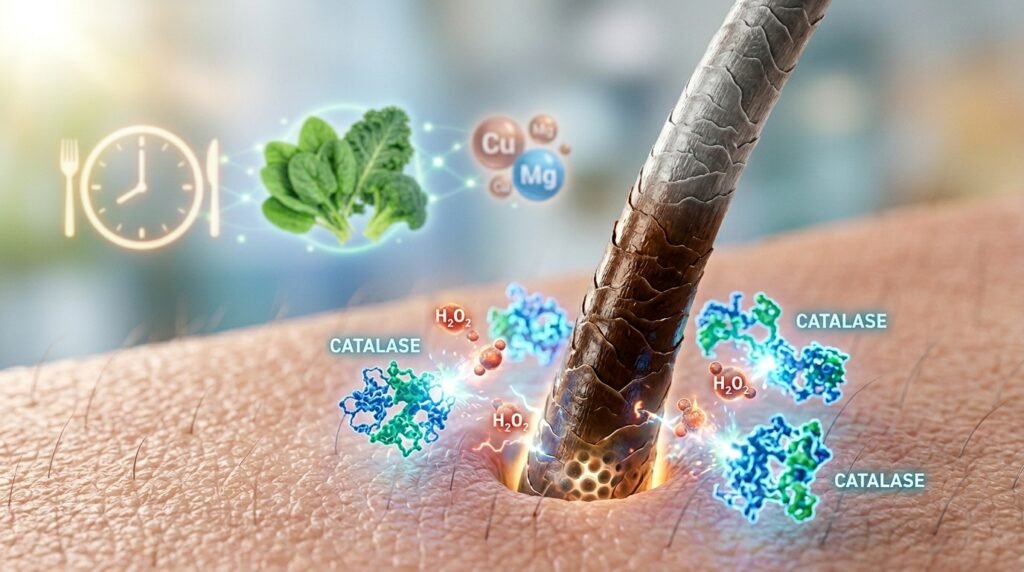
Catalase is a vital enzyme that plays a significant role in maintaining hair health by protecting it from oxidative stress. This enzyme is responsible for breaking down hydrogen peroxide, a compound that can accumulate in hair follicles and lead to hair bleaching from within. When hydrogen peroxide levels rise, they can disrupt the natural balance of melanin, the pigment responsible for hair color, resulting in a gradual graying process.
The mechanism behind this is quite fascinating: catalase converts hydrogen peroxide into harmless byproducts, namely water and oxygen. This reaction not only diminishes the potential damaging effects of hydrogen peroxide but also promotes a healthier environment for hair follicles. When catalase activity is sufficient, it helps to prevent cellular damage that can occur due to oxidative stress, thereby fostering an optimal growth environment for hair strands.
Enhancing catalase activity can yield numerous benefits for individuals experiencing hair color changes due to aging or other factors. By boosting the production or activity of this enzyme, it’s possible to improve the overall production of melanin in hair follicles, thereby supporting a more vibrant hair color. Additionally, promoting catalase activity may lead to stronger and healthier hair growth by combating free radicals that can cause damage to hair cells.
While research into catalase and its effects on hair health is ongoing, some studies suggest that lifestyle interventions—including dietary changes and the use of supplements—can naturally enhance catalase levels. Such measures may offer a proactive approach to managing and potentially reversing the graying process, making catalase a crucial player in the science of hair rejuvenation.
Visualizing Hair Health: The Artistic and Scientific Intersection
In the realm of hair rejuvenation, the transition from gray to natural brown is not only a biological phenomenon but also a profound artistic representation. This journey can be creatively visualized through photorealistic imagery that captures the nuances of hair strands, showcasing the transformation process in a manner that is both striking and informative. The artistic interpretation serves to underline the concept of biological rejuvenation, illustrating the vitality that can be restored to the hair with the right care and treatment.
The significance of these visual representations lies in their ability to communicate the complex interactions that occur at a microscopic level. For instance, the glowing elements within these hair images symbolize the ongoing battle against hydrogen peroxide, a common factor in accelerated graying. By highlighting these microscopic details, artists and scientists alike can better convey the importance of maintaining hair health, as well as the potential for reversal of the graying process.
Moreover, the use of clean and bright lighting in these presentations enhances visibility and appeal, allowing viewers to appreciate the intricacy of each hair strand. Medical scientific visualization takes center stage here, for it merges the precision of science with artistic innovation, leading to a more enriched understanding of hair morphology. Light not only illuminates the beauty of the natural brown tones but also emphasizes the strength and resilience of rejuvenated hair.
In essence, the intersection of art and science in visualizing hair health underscores the significance of understanding the biological aspects behind hair rejuvenation. It demonstrates how intricate details, when presented effectively, can foster a greater appreciation for the processes involved in restoring natural hair color and integrity. The combination of artistry and scientific accuracy promotes a deeper recognition of the journey from gray back to brown, inviting an exploration of the underlying science of hair rejuvenation.
Metabolic Health and Hair Rejuvenation
The relationship between metabolic health and hair rejuvenation is an emerging area of interest within the field of hair science. Fundamental concepts such as intermittent fasting and nutrition play pivotal roles in aiding this transition, particularly the conversion from gray to natural brown hair.
Intermittent fasting has gained attention for its potential health benefits, which may extend to hair health. By creating periods of caloric restriction, the body can efficiently utilize its energy and promote cellular repair mechanisms. This process can result in enhanced hair follicle function and might assist in restoring pigmentation to graying hair.
Moreover, essential nutrients are crucial for maintaining optimal hair health. Nutrients such as copper and magnesium have specific roles that illuminate their importance in hair rejuvenation. Copper is involved in melanin synthesis, the pigment responsible for hair color, while magnesium plays a role in numerous biochemical pathways essential for hair growth. A balanced diet ensuring adequate intake of these nutrients can enhance hair vitality and support the pigmentation process.
An effective strategy to promote hair health involves incorporating a diet rich in green leafy vegetables, which are abundant in vital vitamins and minerals. Vegetables such as spinach, kale, and Swiss chard are excellent sources of and can provide antioxidants that combat oxidative stress. This stress is a primary factor in hair aging, leading to the deterioration of hair follicles and grey hair formation.
By optimizing metabolic health through dietary practices and focusing on nutrient-rich foods, individuals can foster an environment conducive to hair rejuvenation. Scientific evidence supports the notion that sustaining metabolic health can significantly impact hair wellness, potentially enabling transitions back to a natural brown hue.